
If you own a pool in Philadelphia or the surrounding suburbs, properly closing it before winter is essential. Cold temperatures, falling leaves, and freezing conditions can damage equipment and lead to major cleanup problems in spring.
Winterizing your pool the right way protects your system, preserves water quality, and helps ensure you don’t open to a green pool next season.
Below are the key steps homeowners should follow when closing a pool.
1. Clean the Pool Thoroughly
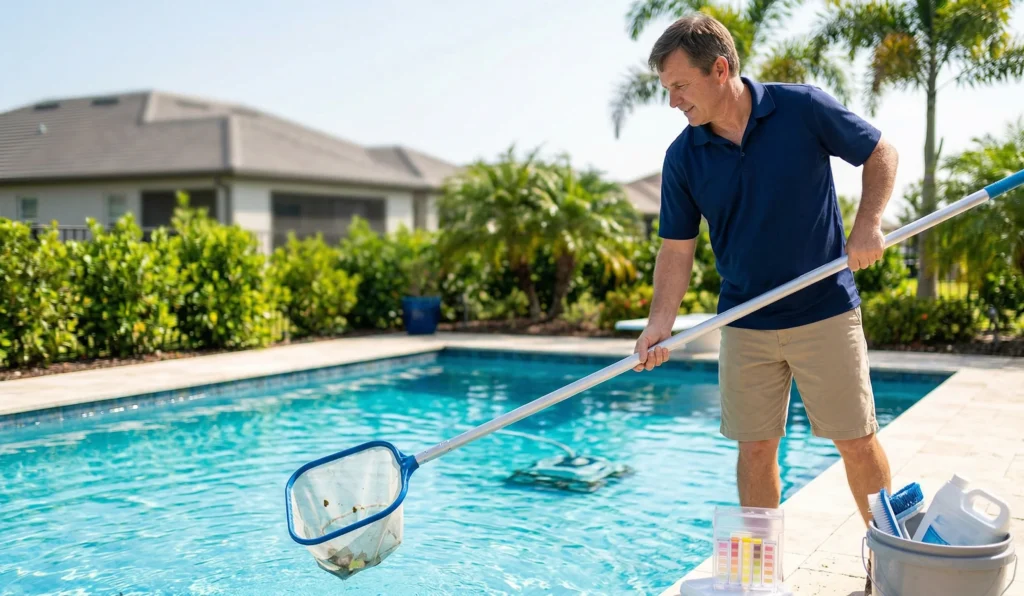
Before shutting your pool down for the season, remove as much dirt and debris as possible.
Start by:
- Skimming leaves and insects from the surface
- Brushing the walls and steps
- Vacuuming the pool floor
- Emptying skimmer and pump baskets
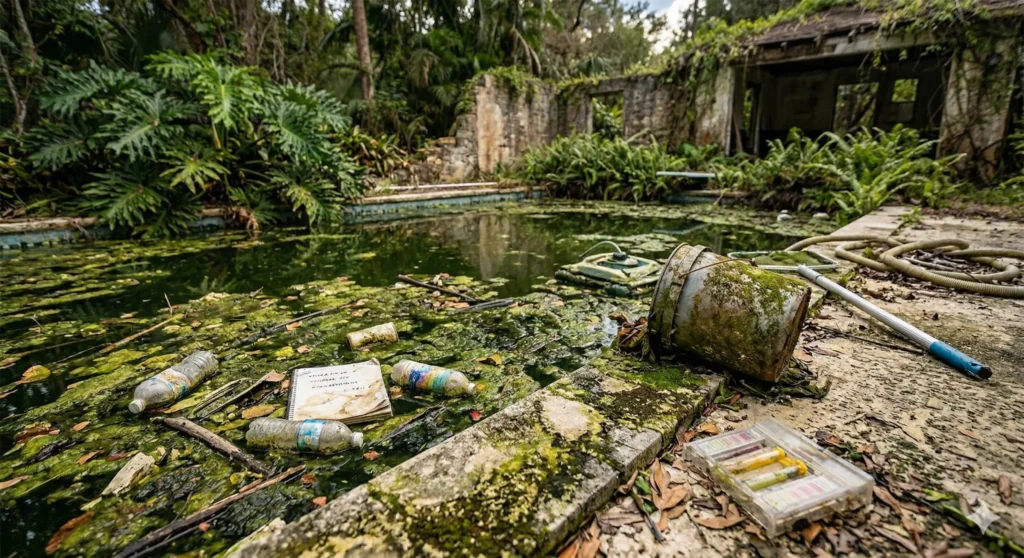
Organic debris left in the water can break down during winter and create algae problems by spring.
2. Test and Balance the Water Chemistry
Balanced water prevents staining, corrosion, and algae growth while the pool sits unused.
Typical recommended levels before closing:
- pH: 7.2 – 7.6
- Alkalinity: 80 – 120 ppm
- Calcium hardness: 180 – 220 ppm
- Chlorine: slightly elevated before closing
Balanced chemistry helps keep water stable through the colder months.
3. Shock the Pool
Shocking the pool adds a strong dose of chlorine to eliminate bacteria, algae, and organic contaminants.
Best practices include:
- Shocking the pool 24 hours before closing
- Running the pump overnight to circulate chemicals
- Allowing chlorine levels to stabilize before covering
This step is one of the most important for preventing spring algae outbreaks.
4. Lower the Water Level
Before installing the winter cover, the water level should be lowered.
Typically:
- Lower the water below the skimmer opening
- Follow manufacturer recommendations for your specific pool and cover type
Lowering the water helps prevent freezing damage to skimmers and plumbing lines.
5. Drain and Winterize Pool Equipment
Freezing temperatures in the Philadelphia area can crack pipes, pumps, and filters if water remains inside them.
Winterizing usually includes:
- Draining the pump and filter
- Blowing out plumbing lines
- Adding antifreeze to pool lines (if needed)
- Plugging return jets and skimmer lines
Properly winterizing the plumbing system prevents expensive repairs.
6. Remove and Store Accessories
Certain pool accessories should be removed before winter.
These may include:
- Ladders and handrails
- Pool cleaners
- Skimmer baskets
- Deck equipment
Cleaning and storing them properly helps extend their lifespan.
7. Add Winterizing Chemicals
Winterizing chemicals help keep the water clean and balanced during the off-season.
Many pool owners add:
- Algaecide
- Pool closing kits
- Stain and scale preventers
These treatments help maintain water clarity and reduce algae growth.
8. Install the Winter Pool Cover
Finally, install a secure winter cover to protect the pool.
A good pool cover helps:
- Keep out leaves and debris
- Block sunlight that feeds algae
- Reduce water evaporation
- Improve safety
Make sure the cover is tightly secured and supported so it can withstand winter weather.
When Should You Close Your Pool in Philadelphia?
We recommend closing your pool when temperatures consistently fall below about 65°F (18°C). Cooler temperatures slow algae growth and make winterization more effective.In the Philadelphia region, this usually happens between late September and mid-October.
Professional Pool Closing Services in Philadelphia
Closing a pool involves more than just covering it. Proper winterization protects your equipment, water quality, and pool structure throughout the cold season.
If you want to avoid costly damage or spring cleanup headaches, Evopool provides professional pool closing and winterization services for homeowners in Philadelphia and nearby communities.
With expert care, your pool will stay protected all winter and be much easier to reopen when warm weather returns.